
REVIEWS / CONTROLLER IN HAND
MSX: the computer that wanted to be the VHS of computing
MSX review: the 1983 Japanese standard that tried to unite every manufacturer. History, hardware, Konami, the MSX in Spain, infographics and verdict.
Read the story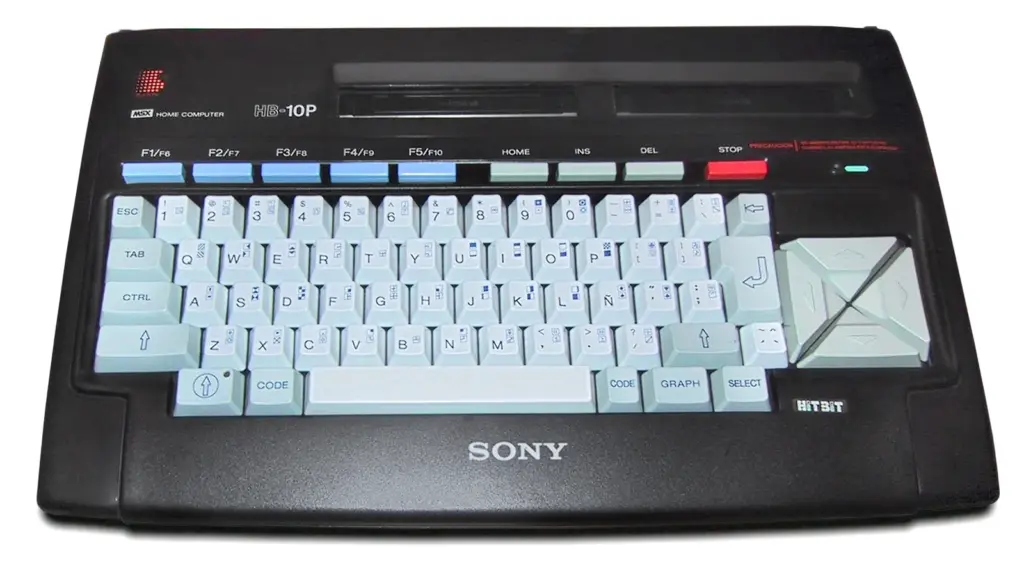
In this article 34 apartados +
- The computer that wanted to be the VHS of computing
- A common language for computers
- What does MSX stand for?
- The problem with being everybody’s standard
- What was inside an MSX
- The 1983 MSX, spec by spec
- Spectrum vs. MSX: same brain, different body
- ZX Spectrum 48K (1982)
- MSX (1983)
- The cartridges that turned a computer into a console
- The SCC chip
- The two-slot trick
- The MSX in Spain: the third contender
- Eurohard’s Dragon MSX machines
- Why the MSX did not conquer the world
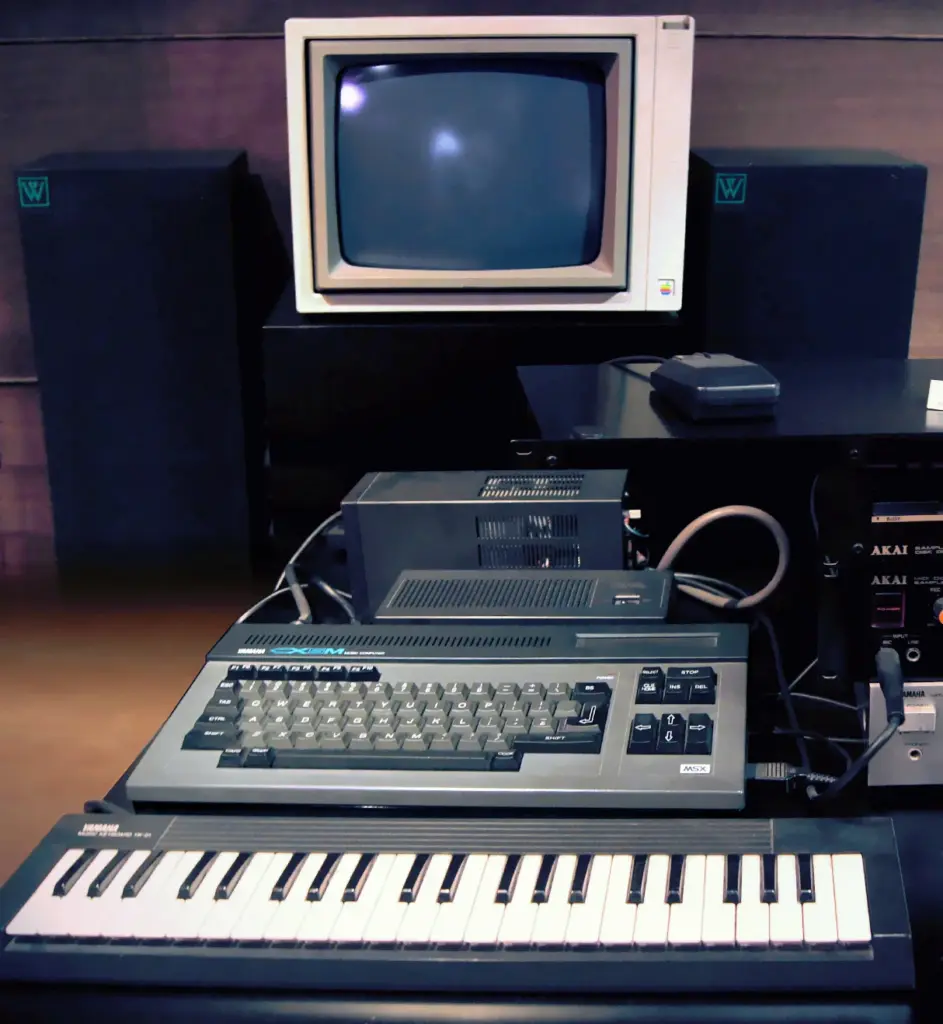
- An MSX in the recording studio
- MSX2, MSX2+ and turbo R: the evolution
- From the ML-8000 to MSXdev
- The standard is born
- It reaches Europe
- MSX2
- Split and retreat
- Metal Gear and the SCC
- MSX2+
- turbo R
- Last major MSX
- Nishi in Barcelona
- MSXdev25
- The MSX today: a community that won’t give up
- MSX0 and MSX3: the comeback that never quite arrives
- A standard ahead of its time
- + The best
- ↳ Worth keeping in mind
- Did you have an MSX?
The computer that wanted to be the VHS of computing
In 1983, every computer brand spoke its own language. A young Japanese publisher and Microsoft proposed that they all speak the same one. That is how the MSX was born: dozens of manufacturers, four generations, Metal Gear, Konami's cartridges and a huge gap in the memories of many Spanish players.
Imagine buying a Sony computer while your cousin has a Philips and your neighbor a Toshiba, and all three of you can swap cartridges, tapes and BASIC listings without a second thought. Today that sounds obvious. In 1983 it was a revolutionary idea, and it had a three-letter name: MSX.
In this review we go over how the standard came about, what was inside it, why Konami turned it into a first-rate gaming machine, how it was experienced in Spain and why, despite everything, it did not conquer the world. At the end, the verdict and the easiest way to play it again today.
THE MSX IN SIX FACTS
- Jun 16, 1983
- ASCII unveils the MSX standard in Tokyo.
- Oct 21, 1983
- The first MSX goes on sale: the Mitsubishi ML-8000.
- 3.58 MHz
- Speed of its Z80A processor, the same brain as the Spectrum or the Amstrad.
- 4
- Generations: MSX, MSX2, MSX2+ and turbo R, all backward compatible.
- 4 to 9 million
- Units sold, depending on who is counting.
- 1991
- Panasonic launches the FS-A1GT, the last MSX from a major manufacturer.
A common language for computers
In the early eighties, the Japanese personal computer market was a Tower of Babel. NEC, Fujitsu, Sharp and the rest sold machines that were incompatible with one another, and a program written for one did not run on the others.
Kazuhiko Nishi, founder of the publisher ASCII and at the time Bill Gates’s partner in Japan, thought this could be fixed: if the makers of video recorders had agreed on a tape format, the computer makers could agree on a standard. He talked it over with Gates and, according to Nishi himself, Gates agreed.
On June 16, 1983, as ASCII recalls, the MSX standard was presented at a press conference in Tokyo. The idea was simple: Microsoft supplied the BASIC, ASCII the specification, and any manufacturer that complied with it could put the MSX logo on its computer. The technical basis was inspired by the Spectravideo SV-318 and SV-328, American computers from that same year that PC Gamer points to as the starting model.
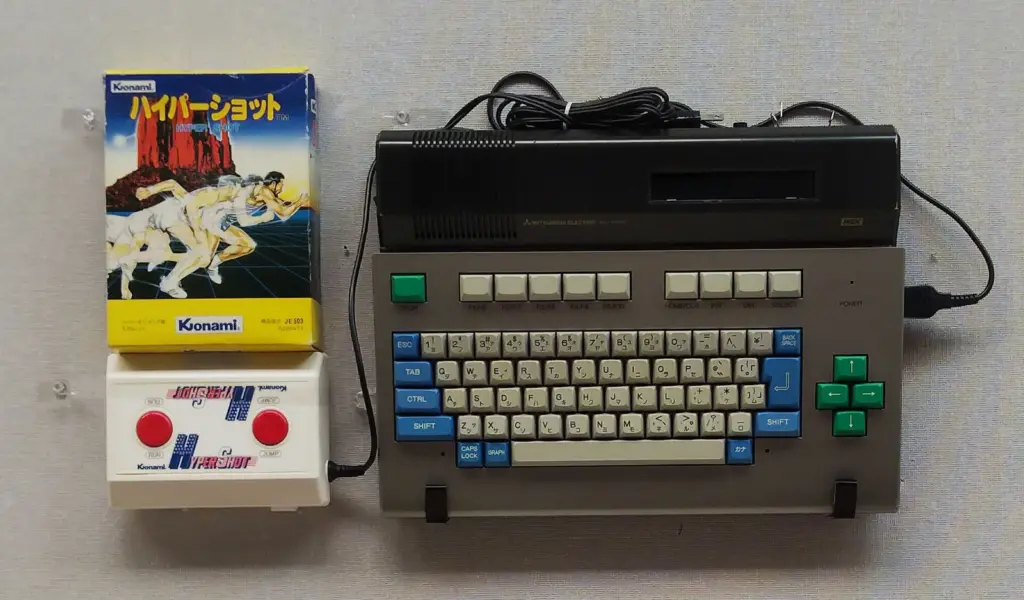
The response was spectacular. Sony, Panasonic (under its National brand), Toshiba, Yamaha, Sanyo, Canon, Casio, Hitachi, Pioneer, JVC, Fujitsu and many more signed up. Curiously, it was none of the giants that reached the shops first: the first MSX on sale was the Mitsubishi ML-8000, on October 21, 1983, as ASCII recalls.
The problem with being everybody’s standard
The great virtue of the MSX was also its weak point. If every manufacturer sells the same machine, they can only compete on price. Nishi explained it years later with a line that sums up the decade: when Casio brought out an MSX at 29,800 yen, a price war began that ate into everyone’s margins. «That hurt us,» he admitted in an interview with Diamond.
What is more, the MSX reached Japanese shops the same year as Nintendo’s Famicom, which we cover in depth in our NES review. For Nishi, the standard was caught between two fires: «IBMs were faster and Nintendo was cheaper.» Even so, for a few years it was the reference home computer for millions of Japanese families, and its influence reached far beyond.
IBMs were faster and Nintendo was cheaper.
Kazuhiko Nishi, creator of the MSX, in Diamond Online (2020)
What was inside an MSX
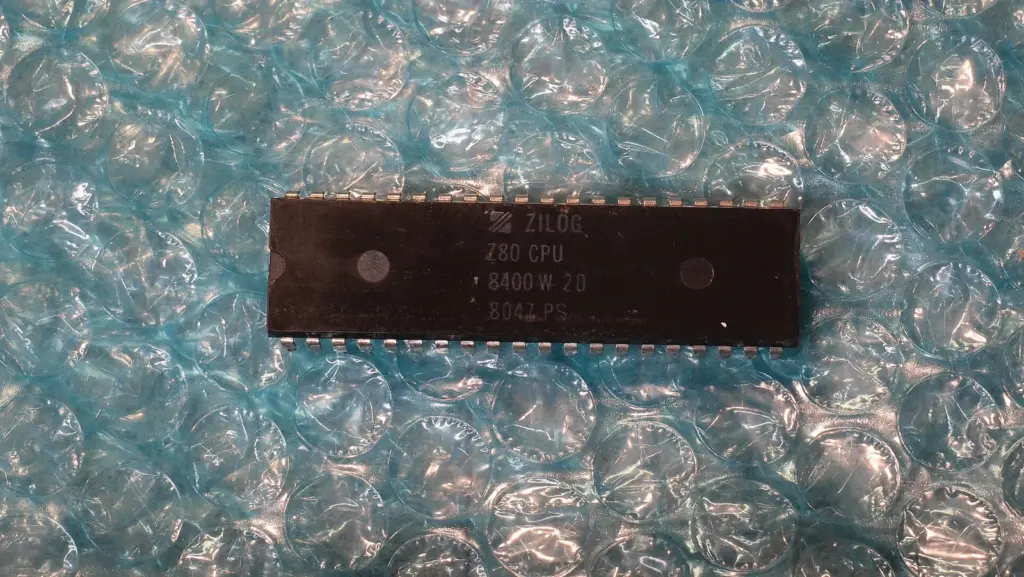
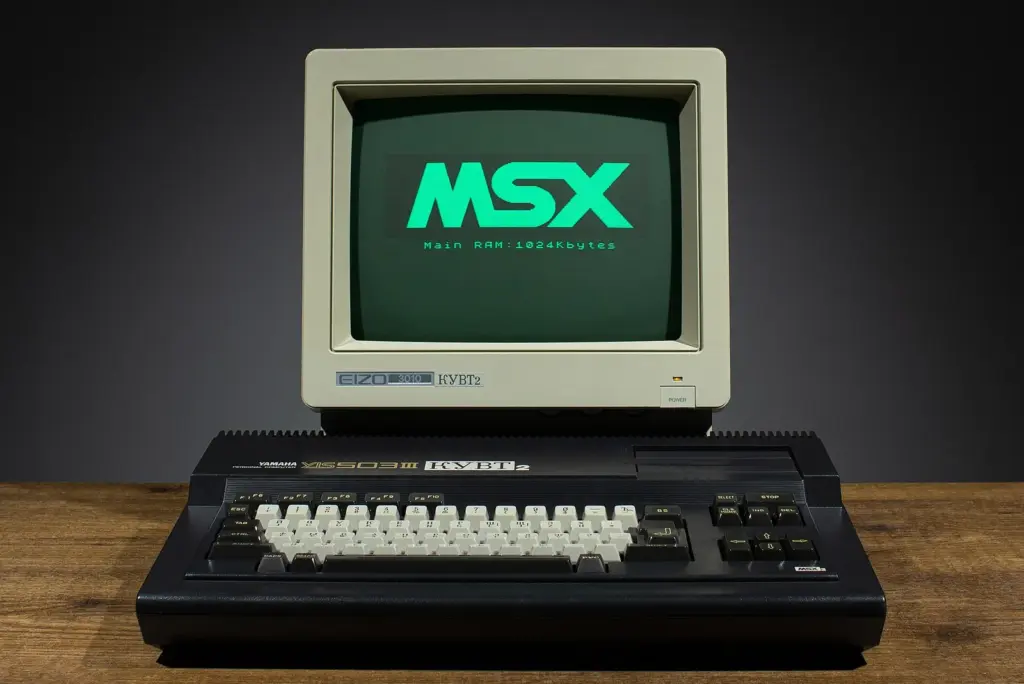
A first-generation MSX was not an exotic machine. Its processor was a Zilog Z80A at 3.58 MHz, the same chip that powered the ZX Spectrum and the Amstrad CPC.
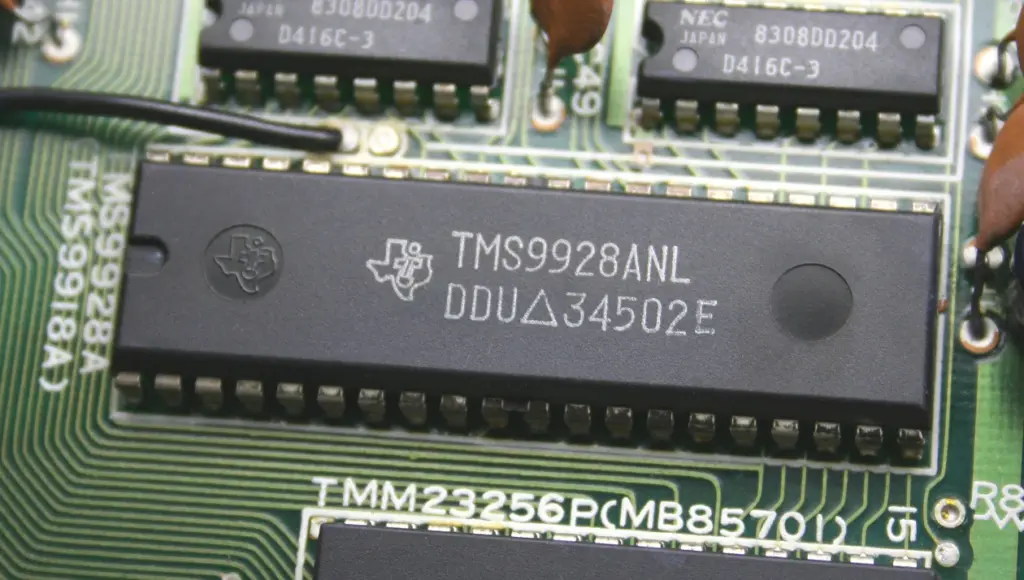
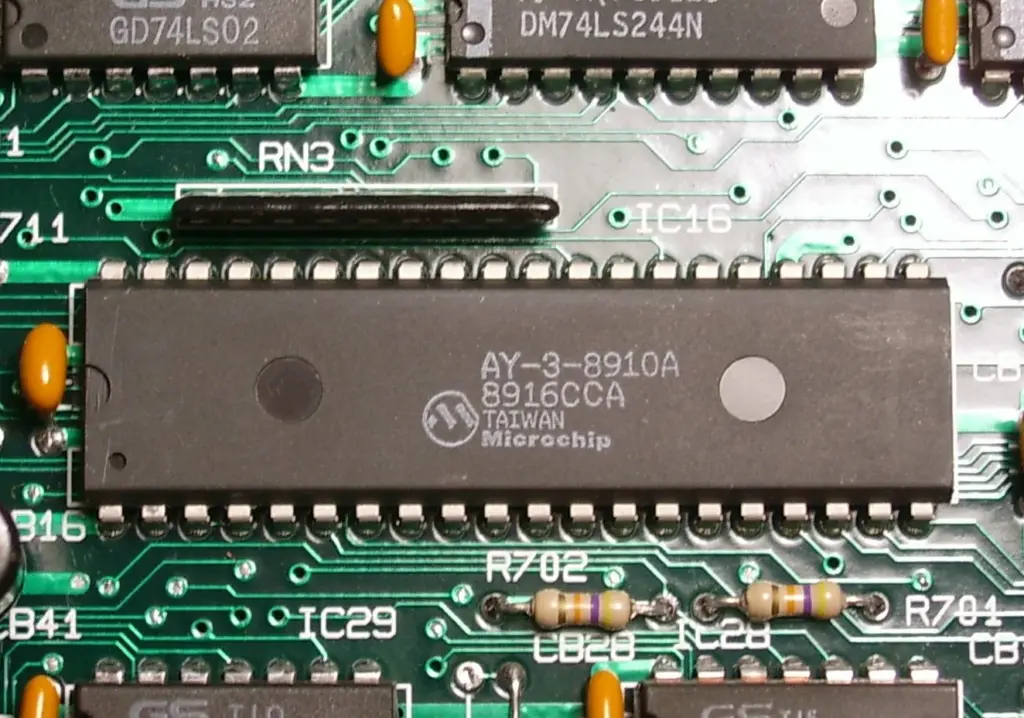
What set it apart was everything else: a dedicated graphics chip, Texas Instruments’ TMS9918, with its own 16 KB of video memory and 32 hardware sprites; a General Instrument AY-3-8910 sound chip with three voices and a noise generator; and a 32 KB ROM holding Microsoft’s MSX BASIC, very complete for the time.
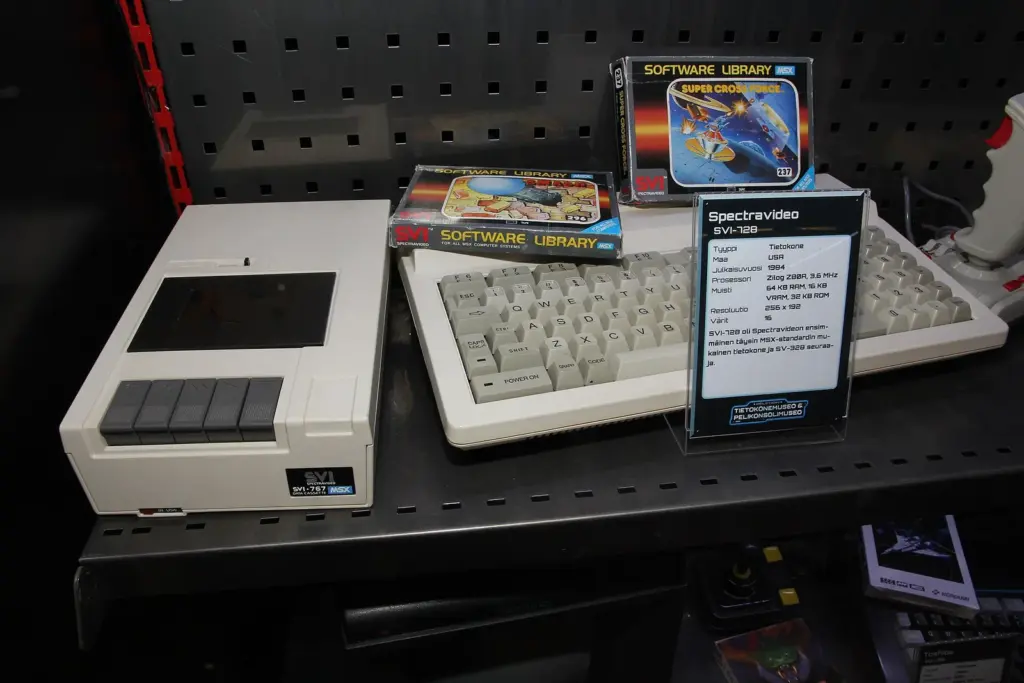
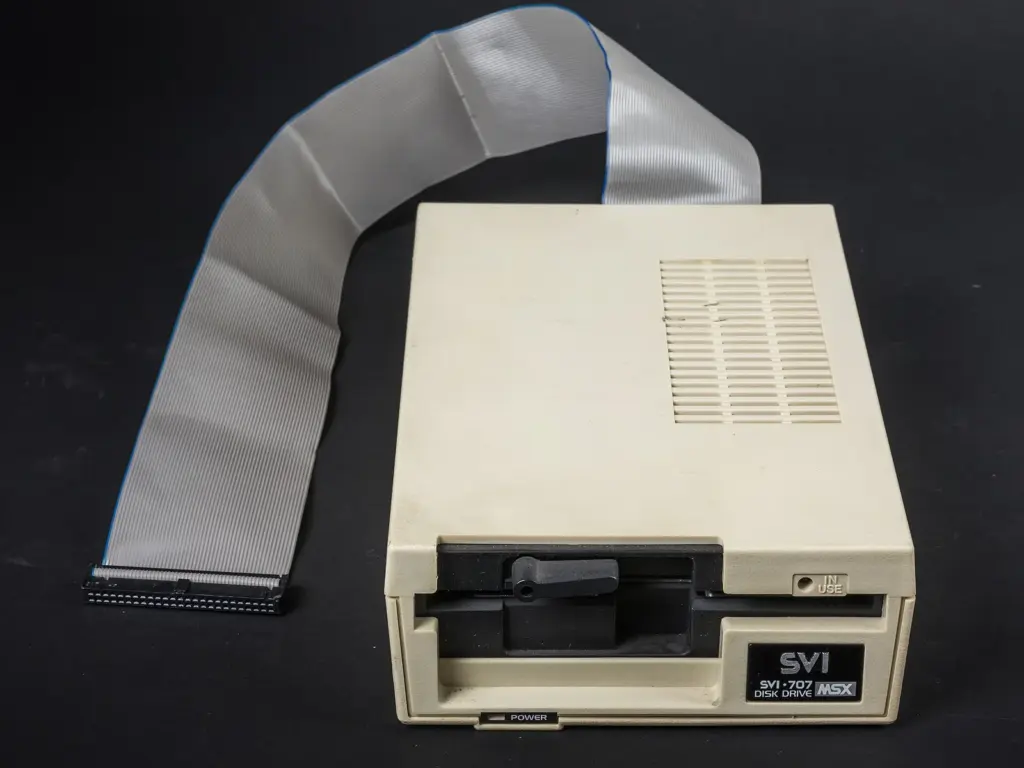
The standard also fixed what was on the outside: one or two cartridge slots, joystick ports, a TV output and a connector for a data cassette recorder. Later came 3.5-inch floppy drives and the MSX-DOS operating system, able to read disks in the same format as the PCs of the day.
The 1983 MSX, spec by spec
Minimum specification of the standard. Each manufacturer could add memory, slots or extras, as long as MSX software kept working.
- Unveiled
- June 16, 1983 (Tokyo). First model on sale: Mitsubishi ML-8000, October 21, 1983
- CPU
- Zilog Z80A at 3.58 MHz
- ROM
- 32 KB with Microsoft MSX BASIC
- RAM
- 8 KB minimum; typically 32 or 64 KB in Europe
- Video
- Texas Instruments TMS9918, 16 KB of dedicated VRAM
- Display
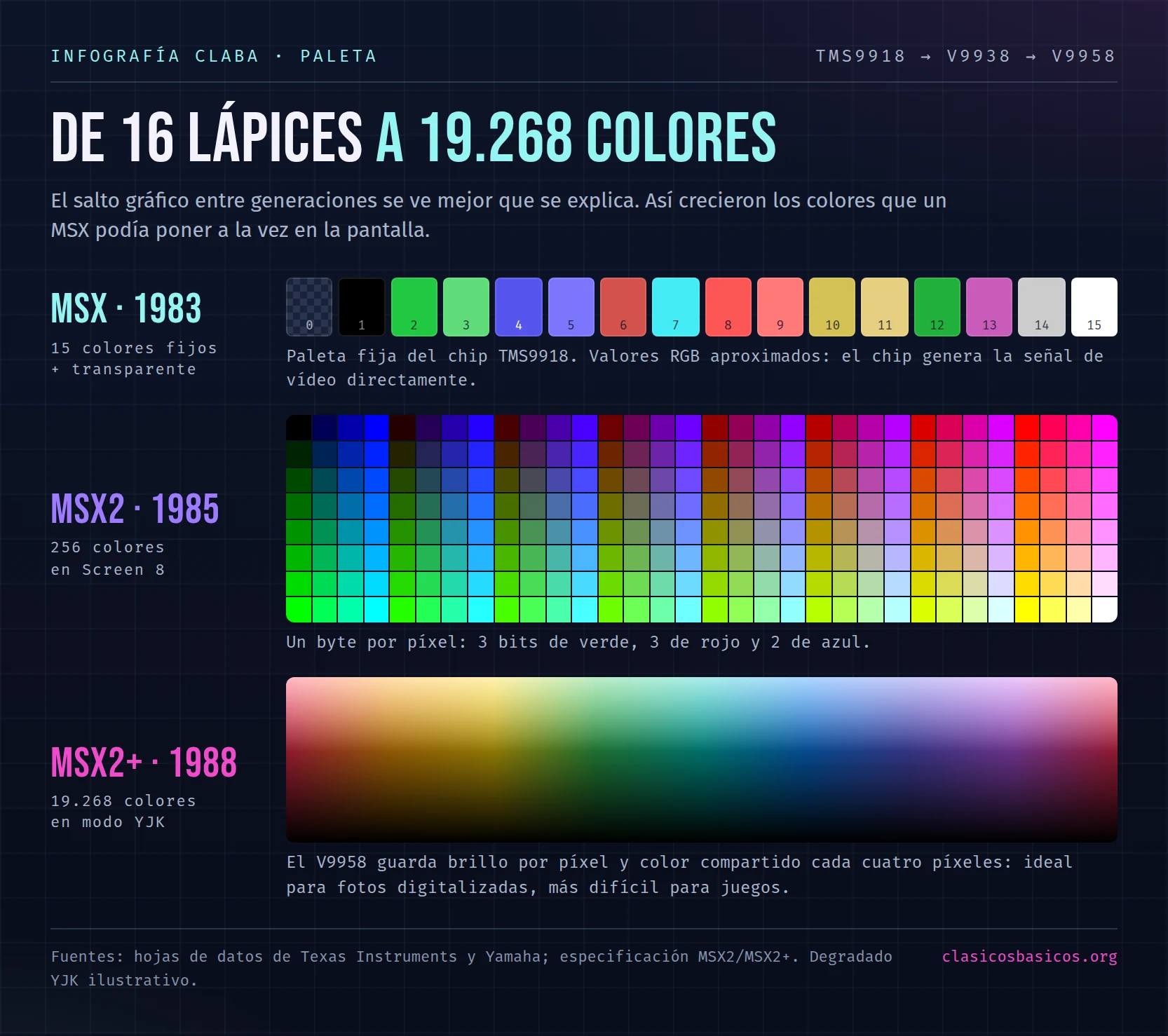
- 256 × 192 pixels, 16 colors (15 plus transparent)
- Sprites
- 32 on screen, 4 per line at most
- Sound
- General Instrument AY-3-8910: 3 tone voices and 1 noise voice
- Storage
- Cartridge, cassette and, later, 3.5-inch floppy disk
Source: MSX standard specification as collected in the Portar technical documentation and by ASCII.
Spectrum vs. MSX: same brain, different body
ZX Spectrum 48K (1982)
Cheap, ingenious and king of the Spanish 8-bit market. All the graphics work fell on the processor.
- Z80A at 3.5 MHz
- Graphics in main memory, no sprites
- Color in 8 × 8 pixel blocks
- Single-channel sound through the speaker
- Games on tape, dirt cheap
MSX (1983)
More expensive, more complete and with a standard behind it. It handed graphics and sound off to dedicated chips.
- Z80A at 3.58 MHz
- Video chip with 16 KB of VRAM and 32 sprites
- Color in 8-pixel lines in bitmap mode
- Three sound voices plus noise
- Instant-boot cartridges, as well as tape
The choice Inside, they were similar enough that many European companies converted their Spectrum games almost unchanged. That made MSX games cheaper, but it also explains why so many European games looked worse than the machine could deliver.
The cartridges that turned a computer into a console
If the MSX is remembered as a gaming machine, Konami is to blame. The company published dozens of cartridges for the standard that used the hardware like no one else: Nemesis (the Japanese Gradius), Knightmare, King’s Valley, The Goonies, Vampire Killer (the MSX2 Castlevania), Penguin Adventure or Salamander.
On Penguin Adventure (1986), a young Hideo Kojima helped with the planning, in his first job in the industry, although his name does not appear in the credits. A year later, on July 13, 1987, Konami released his first game as director, on MSX2: Metal Gear. Its direct sequel, Metal Gear 2: Solid Snake (1990), was also designed for MSX2 and never left Japan in its day. The NES version that reached the West was made without Kojima.
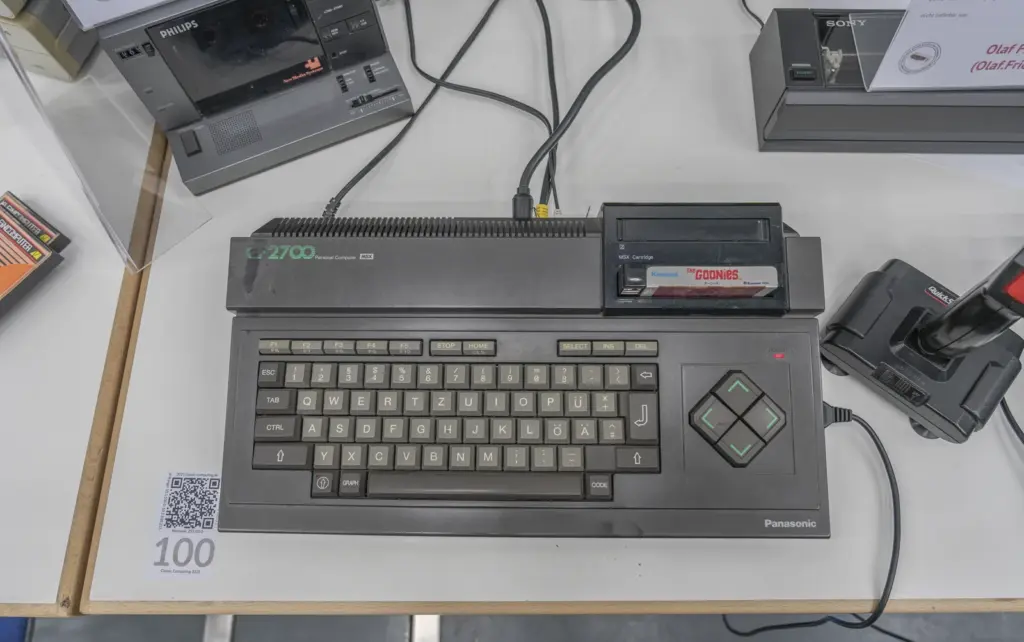
The series that was born in that MSX2 cartridge continues in our archive with its leap into three dimensions.
 FROM THE CLABA ARCHIVEMetal Gear SolidAction-adventure · 1998Explore the game
The two-slot trick
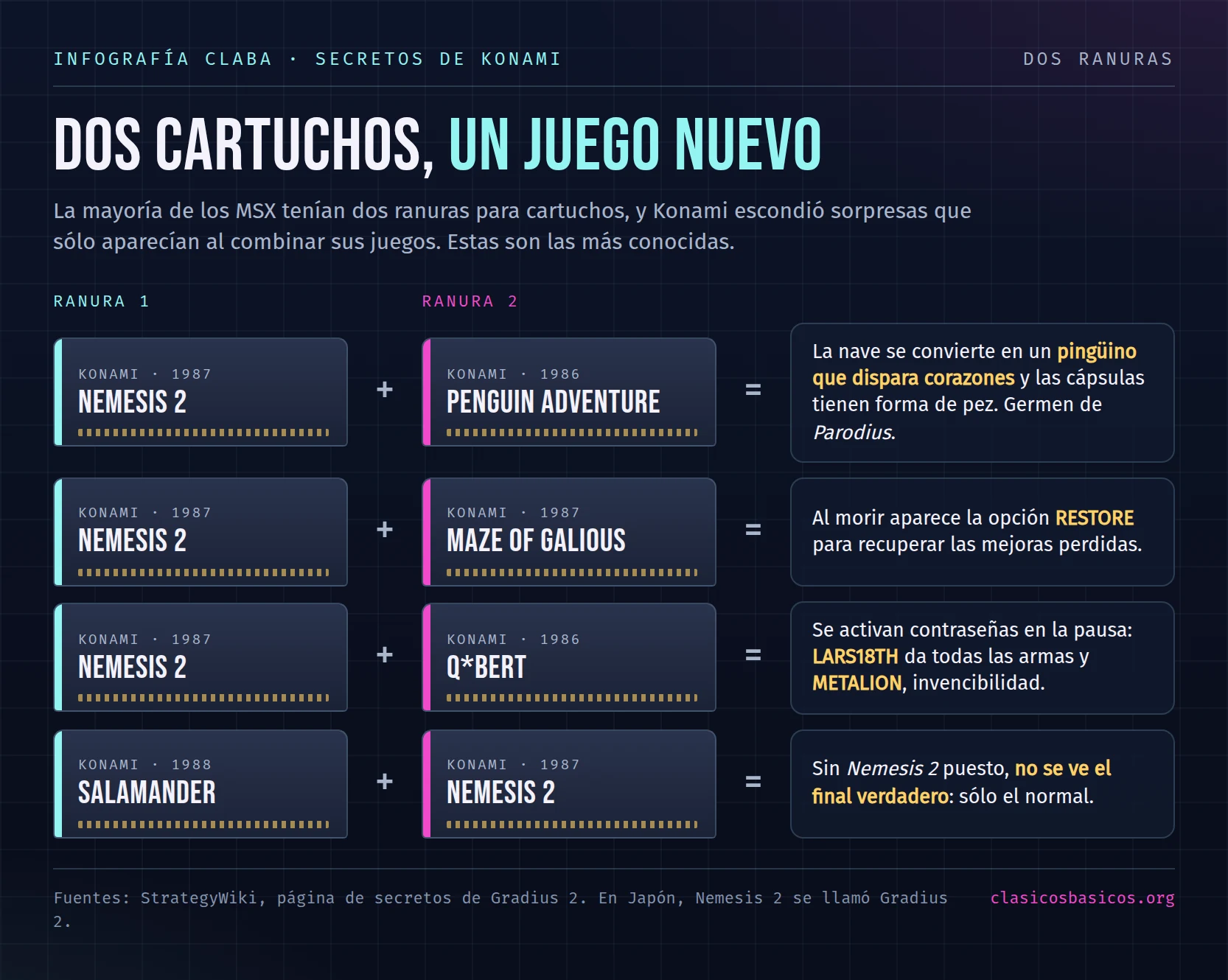
Most MSX machines had two cartridge slots, and Konami took advantage of that to hide secrets that only appeared when you combined its games. With Nemesis 2 in the first slot and Penguin Adventure in the second, the ship turned into a penguin firing hearts, a joke that, according to StrategyWiki, later inspired the Parodius series. And anyone who played Salamander without Nemesis 2 at hand missed the true ending.
Konami was not alone. Hudson Soft published the first Bomberman in 1983 for Japanese computers, MSX included, and Compile, author of the Aleste shoot ‘em up series, debuted the first Puyo Puyo on MSX2 and the Famicom Disk System on October 25, 1991. Many games we now associate with consoles took their first steps on an MSX keyboard.
If you want to try one of those cartridges in a new guise, the archive has the PC remake of The Goonies that the group Brain Games made in 2006 from Konami’s MSX game.
 FROM THE CLABA ARCHIVEThe Goonies: 20th AnniversaryPlatformer · 2006Explore the game
The MSX in Spain: the third contender
In Spain, the MSX arrived in late 1984 in a market that had already been carved up. As Professor Francisco Charte sums it up, it was users’ third choice, behind the Sinclairs and the Amstrads. Even so, it had a loyal community and far more presence than in the United Kingdom.
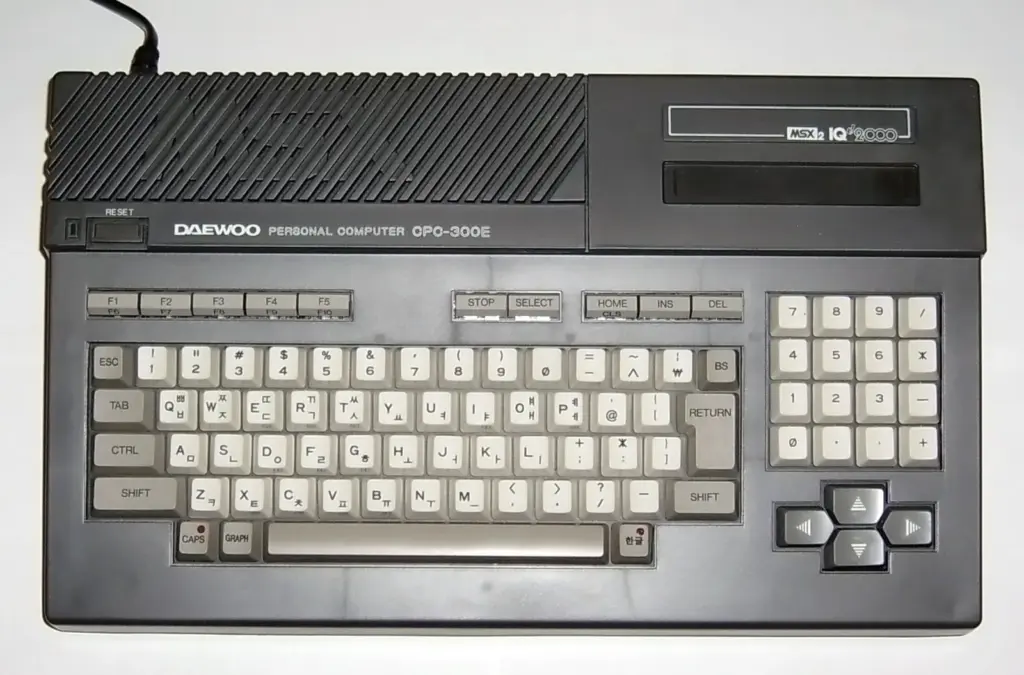
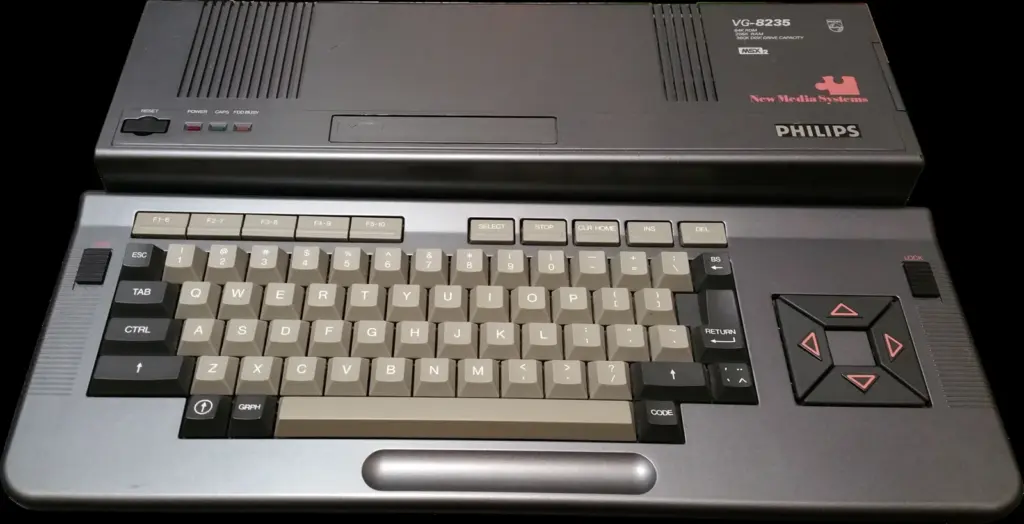
Sony sold its HitBit here, Toshiba its HX-10, Spectravideo its SVI-728 and Philips its VG-8020, which according to Charte was very popular for offering 64 KB of memory, a good keyboard and an affordable price. There was even an MSX assembled in Korea for the Spanish market, Daewoo’s Dynadata DPC-200.
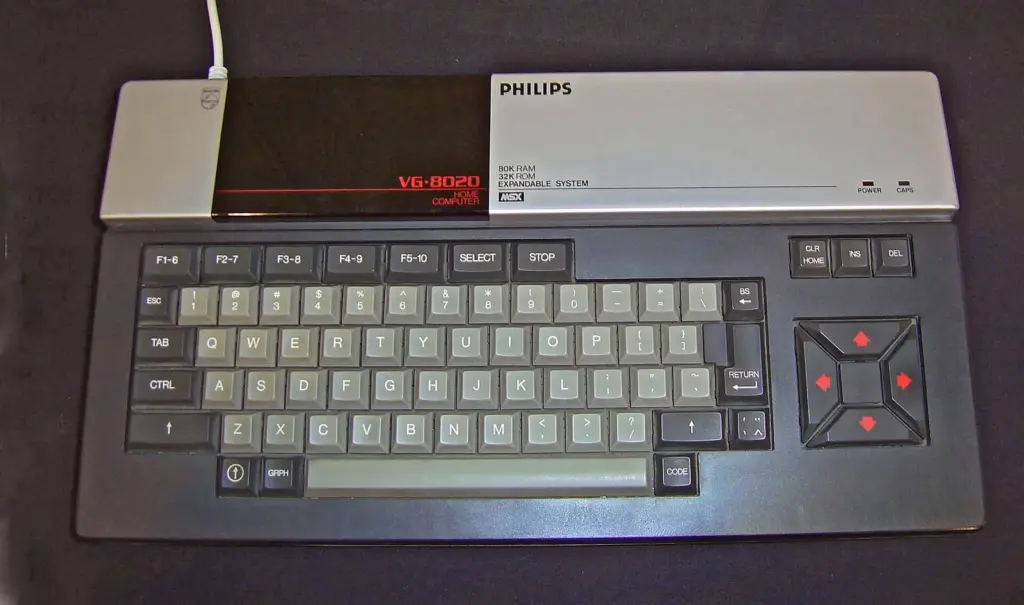
There were also magazines of its own. MSX Extra, which billed itself as the first MSX magazine in Spain, was published between January 1985 and July 1988 and ended up merged into MSX Club, from the same publisher. Alongside them came Input MSX and MSX Magazine, with BASIC listings to type in, game reviews and cheats.
The Spanish companies of the golden age also published for MSX. Opera Soft released La Abadía del Crimen on tape for MSX. Dinamic did the same with Army Moves, Navy Moves and a good part of its catalog. The problem is that many were straight conversions from the Spectrum: they saved time, but the sprites, color and sound that the MSX could offer got lost along the way. The complaint is still repeated on the MSX community forums.
 FROM THE CLABA ARCHIVELa Abadía del CrimenPoint-and-click adventure · 1988Explore the game
 FROM THE CLABA ARCHIVENavy MovesShooter · 1989Explore the game
Why the MSX did not conquer the world
Outside Japan, the MSX had very uneven luck. In the United Kingdom, The Register reports, it launched in late September 1984, fifteen months after Japan, with prices closer to £300 than the promised £200 and a market already dominated by Sinclair, Commodore, Acorn and Amstrad. Clive Sinclair dismissed it by saying it was not a «commercial threat.»
He was right: in July 1985 the Dixons chain cut MSX prices by up to half, and by Christmas the Toshiba HX-10 had gone from £279 to £79. Panasonic stopped importing them in early 1986, and Sanyo, Sony, Mitsubishi and Toshiba did the same before the year was out.
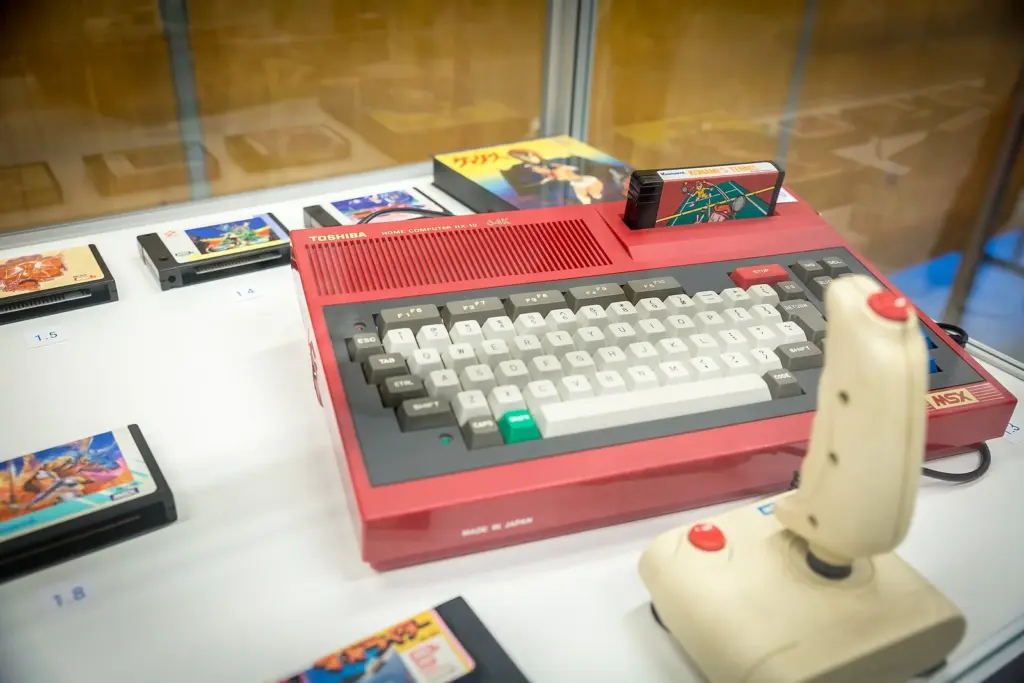
In the United States, despite carrying Microsoft’s signature, hardly any were sold: only Spectravideo and Yamaha tried, and only briefly. And in 1986 the alliance that had made it possible broke apart: Microsoft and Nishi parted ways, and Nishi ended up leaving ASCII as well.
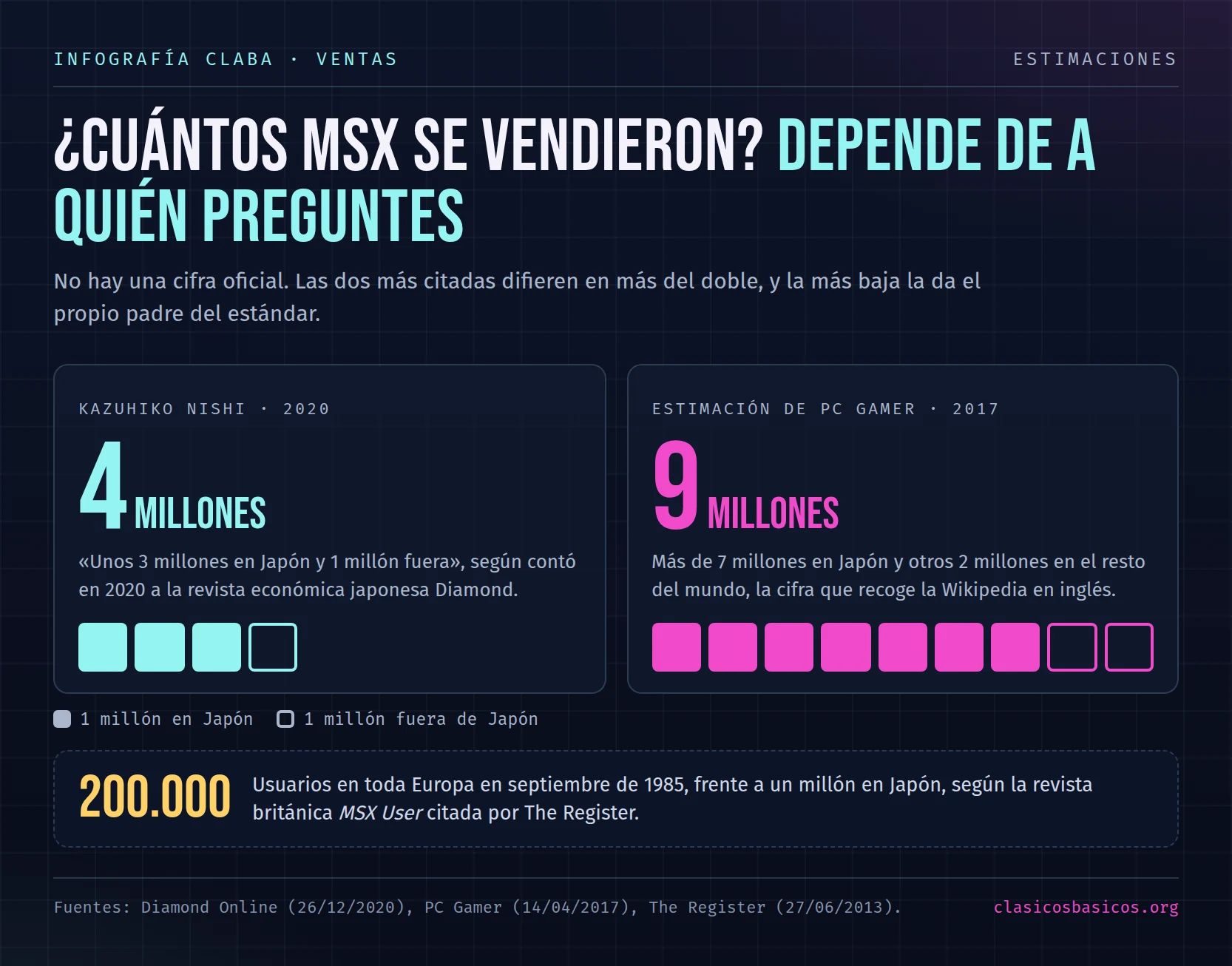
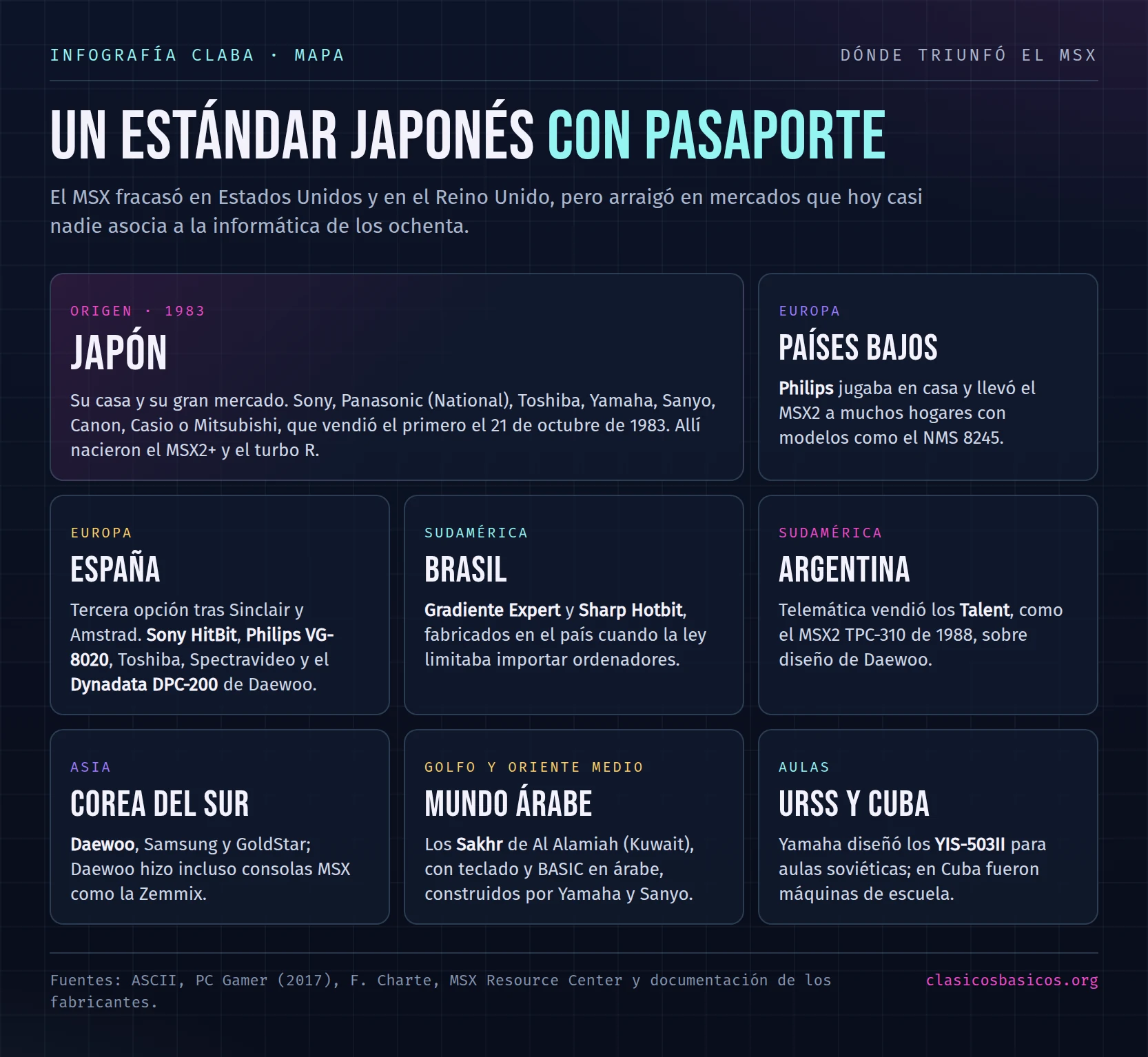
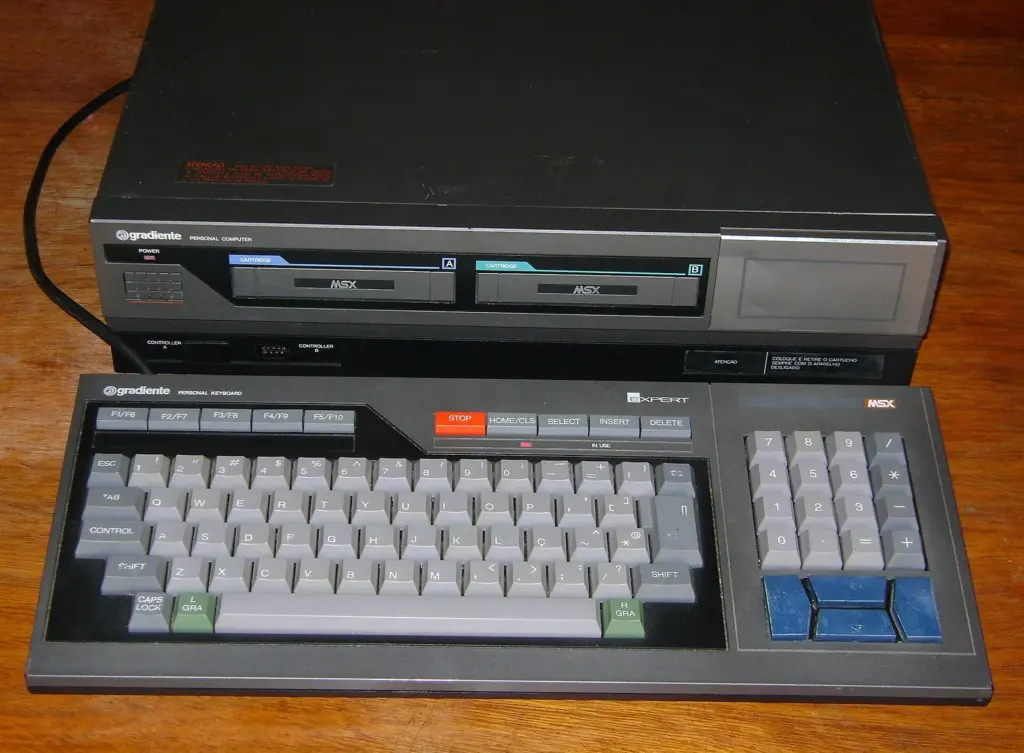
The other side of the coin is the countries where the MSX did take root. In the Netherlands, Philips was on home turf. In Brazil, Gradiente and Sharp built their own models, the Expert and the Hotbit, at a time of restrictions on computer imports. In Kuwait, Al Alamiah sold the Sakhr in Egypt and the Gulf countries, with an Arabic keyboard and BASIC. South Korea had its Daewoos, Argentina its Talents, and Yamaha designed MSX equipment for Soviet computer classrooms.
MSX2, MSX2+ and turbo R: the evolution
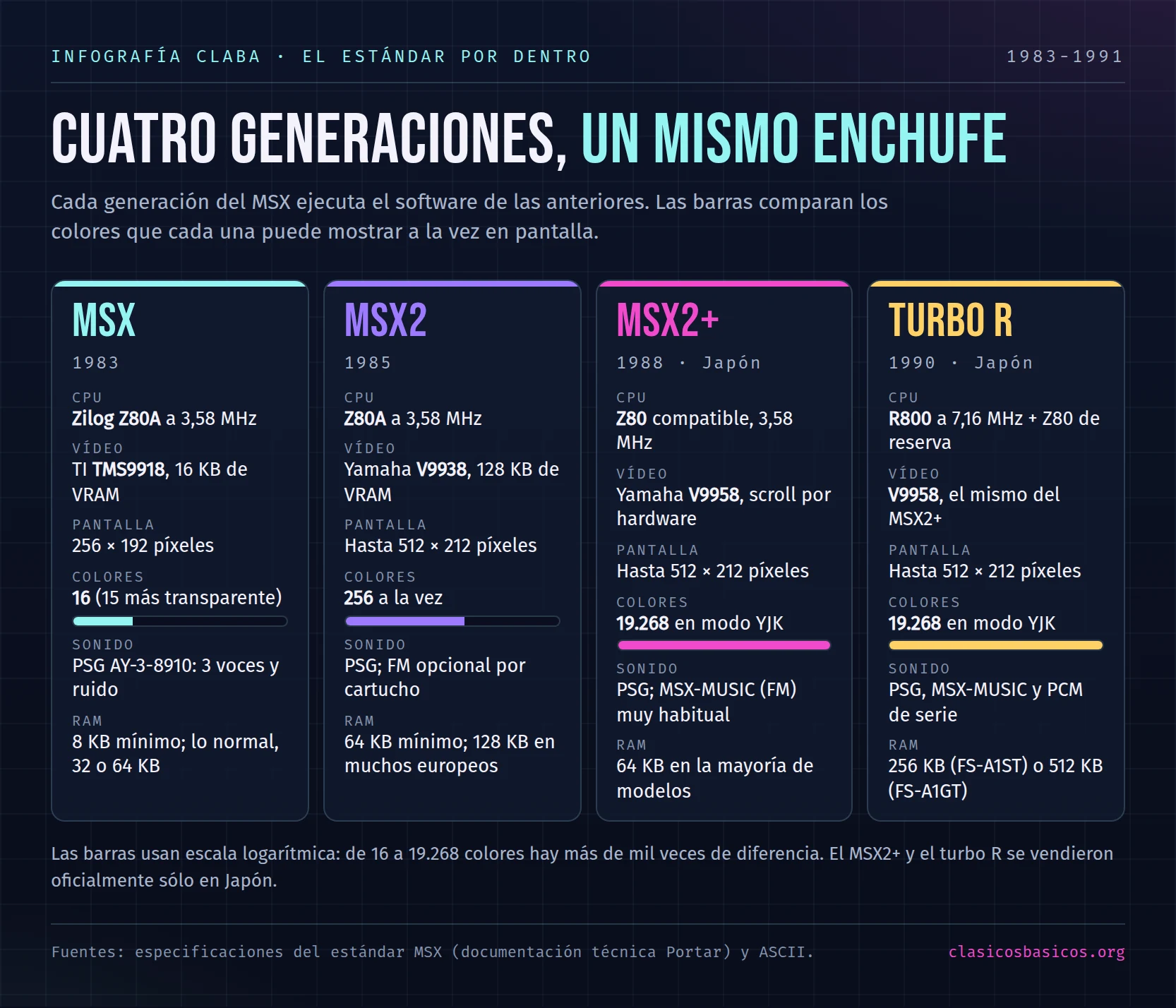
The standard did not stand still. In 1985 came the MSX2, with the new Yamaha V9938 video chip, 128 KB of video memory, up to 512 × 212 pixels and 256 colors at once. It was the generation many European users knew through the Philips NMS machines, and the generation of Metal Gear, Vampire Killer and Space Manbow.
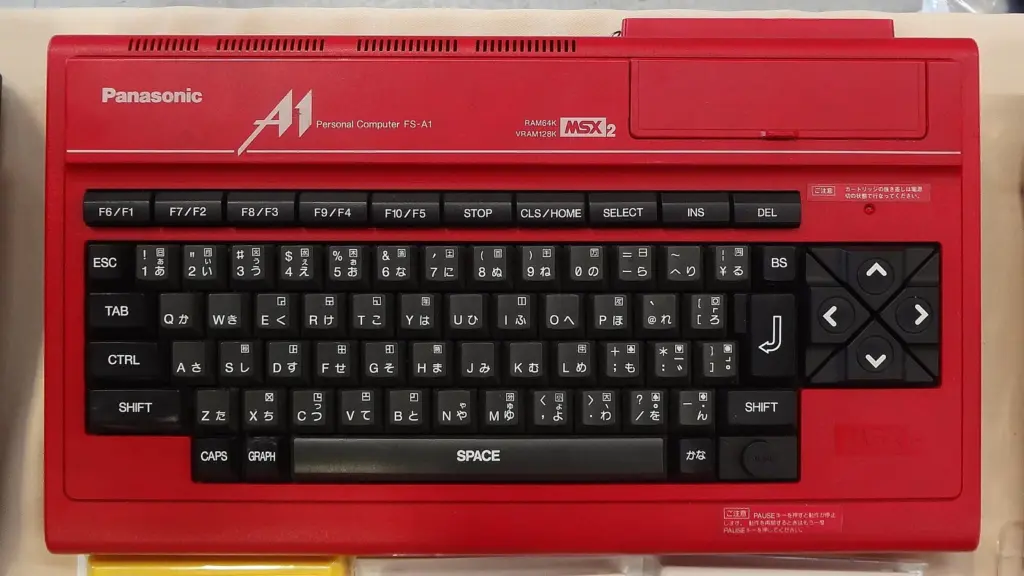
The next two generations stayed in Japan. The MSX2+ (1988) added the V9958, with smooth hardware screen scrolling and a special mode, YJK, able to display 19,268 colors, aimed more at digitized images than at games. And in 1990 came the turbo R, with the R800 processor at 7.16 MHz and digital sound. According to ASCII, only Panasonic ever built it, and its 1991 FS-A1GT was the last MSX released by a major manufacturer. In 1992, the official magazine MSX Magazine shut down without warning.
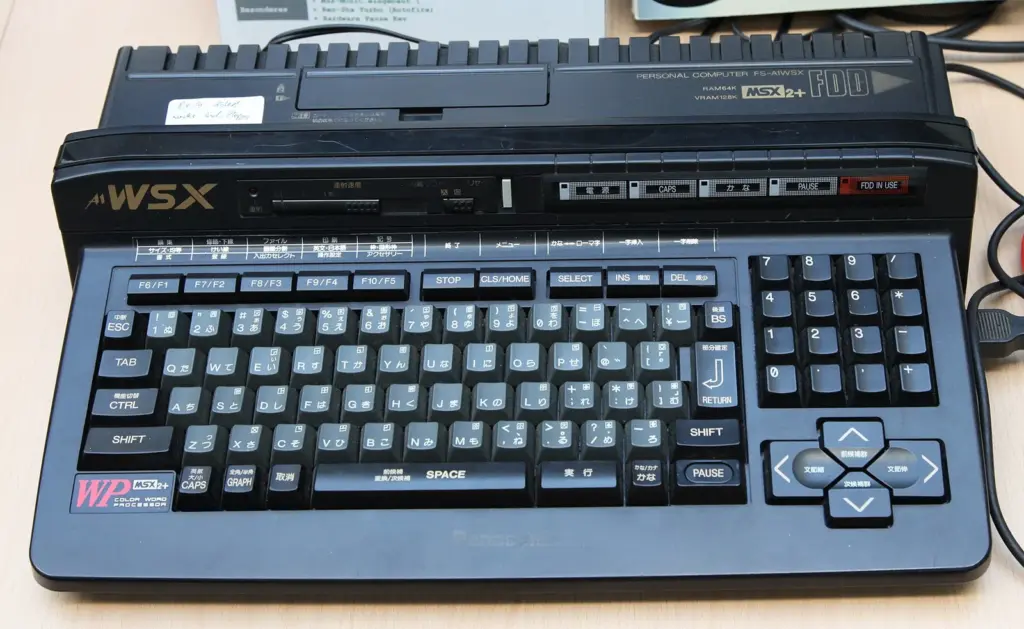
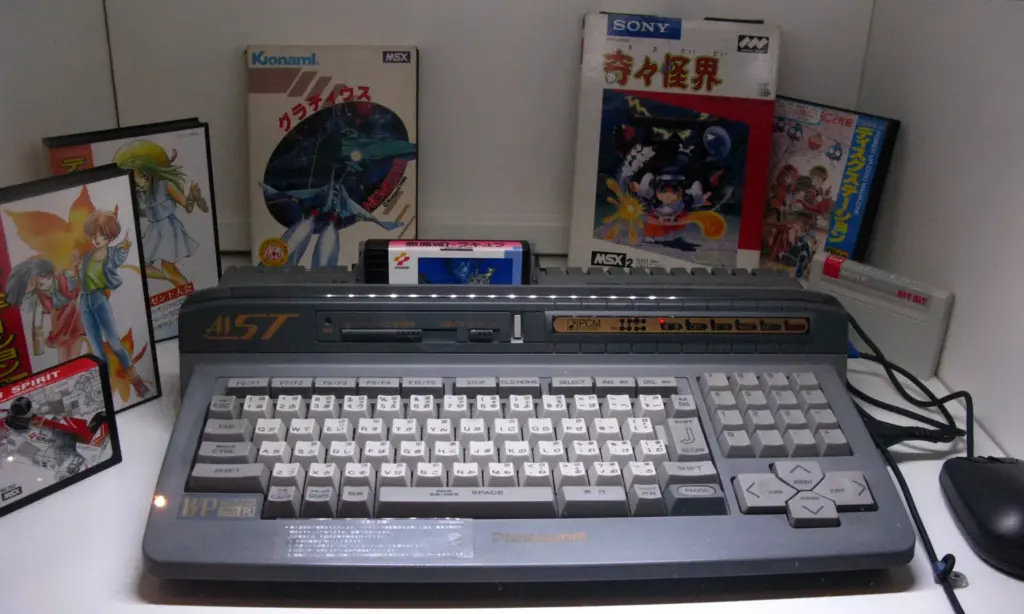
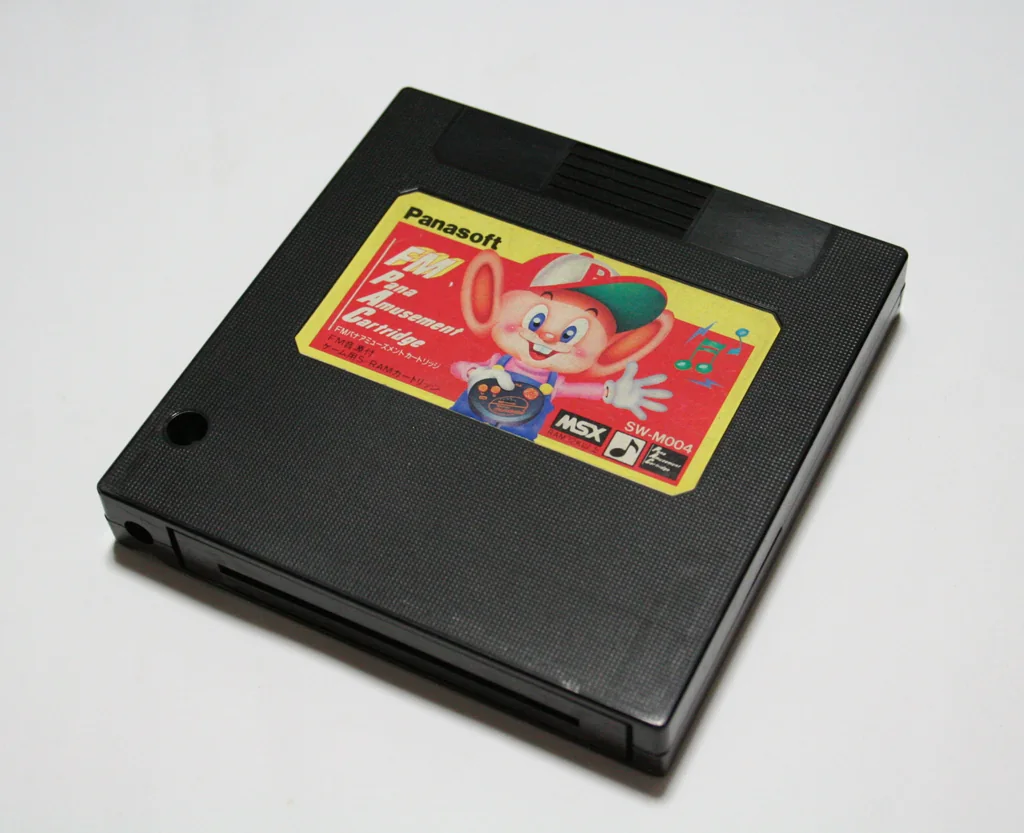
The sound grew too. The MSX-MUSIC standard added a Yamaha FM chip, the YM2413, which Japanese MSX2+ machines usually had built in and which any MSX could gain through a cartridge such as Panasonic’s FM-PAC. Many games of the era take advantage of it if they detect it, swapping the PSG beeps for an FM soundtrack.
From the ML-8000 to MSXdev
- 1983
The standard is born
ASCII unveils it on June 16; the Mitsubishi ML-8000 goes on sale on October 21.
- 1984
It reaches Europe
British launch in September; by the end of the year, the first models in Spanish shops.
- 1985
MSX2
New Yamaha V9938 video chip and 256 colors. The magazine MSX Extra is born in Spain.
- 1986
Split and retreat
Microsoft and Nishi part ways; Japanese manufacturers abandon the United Kingdom.
- 1987
Metal Gear and the SCC
Kojima debuts as a director on MSX2; Nemesis 2 premieres Konami's sound chip.
- 1988
MSX2+
Japan only, with 19,268 colors in YJK mode.
- 1990
turbo R
R800 processor at 7.16 MHz. Metal Gear 2: Solid Snake also comes out that year.
- 1991
Last major MSX
Panasonic launches the FS-A1GT. In October, Compile premieres Puyo Puyo on MSX2.
- 2023
Nishi in Barcelona
The creator of the MSX presents his new projects at the AAMSX users' meeting.
- 2026
MSXdev25
The new-game contest for MSX closes its edition with 50 entries.
Dates according to ASCII, Konami, The Register and the sources linked in the text.
The MSX today: a community that won’t give up
Forty-three years later, the MSX is alive in a way few computers of its time can boast. Every year the MSXdev contest is held, in which hobbyists from all over the world release new games for the original hardware: its latest edition, whose results were announced in May 2026, gathered 50 games and was won by Neon Horizon.
In Spain, the Associació d’Amics del MSX had held 59 user meetings in Barcelona when, in January 2023, it welcomed Kazuhiko Nishi himself, who traveled to present his new projects.
MSX0 and MSX3: the comeback that never quite arrives
Those projects were the MSX0, a small device delivered in 2023 to the backers of a Japanese crowdfunding campaign, and the MSX3, which at the time of writing still has no release date. In the meantime, the most reliable way back to the MSX is the usual one: emulation or original hardware.
A standard ahead of its time
The MSX did not win the 8-bit war, but it got the most important idea right: that software should be independent of the brand of the machine. Its first generation fell short against the European competition and the standard's best days were lived in Japan, but Konami's catalog, the MSX2 and a community still making games forty years later make it essential for anyone who wants to understand eighties home computing.
The best
- A real standard shared by dozens of manufacturers
- Konami's cartridges, with Metal Gear, Nemesis and the SCC chip
- MSX BASIC: an excellent way into programming
- Backward compatibility across four generations
- A living community that keeps publishing new games
Worth keeping in mind
- The first generation arrived late and expensive in Europe
- Many European games were poor Spectrum conversions
- MSX2+ and turbo R never officially left Japan
- The price war between manufacturers held back innovation
The test Clásicos Básicos editorial assessment of the MSX standard as a whole (European MSX1 and MSX2, with reference to the Japanese generations) and the ways to play it today. Score out of 10, weighing catalog, hardware, design of the standard, legacy and current experience.
If you enjoyed this look back, the NES one is its perfect counterpoint: the console that revived home video games was born the same summer. Before both, Atari invented the home video game and almost buried it. And if you wonder what will happen to all these cartridges in another forty years, we cover it in When the box disappears.
Did you have an MSX?
Tell us in the forum (in Spanish) which model was in your home, what your first Konami cartridge was and how many hours you spent typing in listings from magazines.
The best stories get shared.
Did it bring back a memory? The conversation continues on the forum (in Spanish).
Stay for one more game.

NES: the console that revived home video gaming
NES review: from the 1983 Famicom to the NES Mini. History, hardware, anecdotes, infographics and a verdict on the console that saved video…
14 min read