
FIELD GUIDE · RETRO CULTURE
What is abandonware? The game ends.
Its story goes on.
What abandonware means, why preserving software matters and what to check before sharing a classic. A guide to help you find your way without losing a single life.
01 / CARGANDO CONTEXTO
Abandoned + software.
One word, many stories.
Abandonware is an informal term for old software that is no longer sold or supported. It is used especially for video games and programs that have dropped out of the usual catalogs.
The company may have disappeared, changed its name or left a platform behind. Sometimes it is hard to locate the rights holder; other times, a game goes back on sale years later. That is why the status of each title can change.
No age, by itself, turns a program into abandonware. And that label doesn't describe a license either: to understand what you can do with a copy, you have to look at its specific terms.
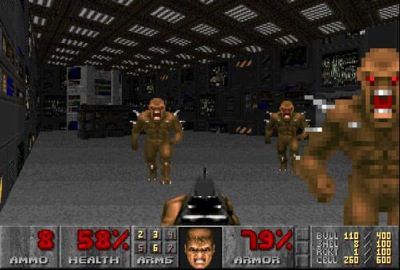
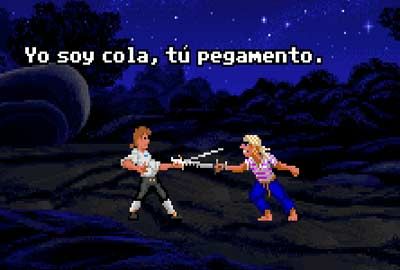
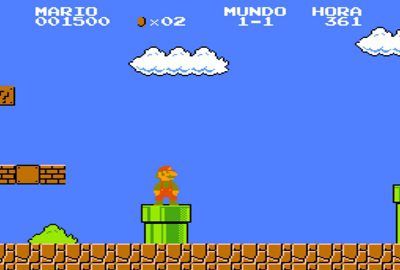
Three icons of video game culture. These images are illustrative; they do not indicate a distribution license.
02 / INVENTORY OF CONCEPTS
Not every item
do the same thing.
As in a point-and-click adventure, it helps to know what is in your inventory before you use it.
- Abandonware
- A commonly used label for the status of a program. It does not grant permission to copy or distribute it.
- Freeware
- Software offered at no cost under certain conditions. Having no price does not mean it has no copyright.
- Open source
- A license allows access to the code and grants specific permissions for use, modification and distribution. Its terms must be respected.
- Public domain
- A different legal situation. It cannot be inferred simply from the game's age or from it having disappeared from the stores.
03 / THE FACT THAT MATTERS
Outside the stores
doesn't mean without rights.
In Spain, the Intellectual Property Law protects computer programs and reserves reproduction and distribution rights for their holders, with the exceptions provided by law. The lack of commercial availability does not, by itself, grant authorization to distribute a copy.
A company disappearing or an author not responding does not prove that permission exists either. It is best to identify the rights holder, locate the license and check whether an official edition is available.
Fuente: Intellectual Property Law, articles 95–100 · BOE. Also see the CLABA legal notice.
04 / A ROUTE TO PRESERVATION
Primero documenta.
Then share.
Preservation is also about recovering context: who created the game, what platform it appeared on and how it was played.
Identify the game.
Note the title, developer, year, platform, language and version. If you are unsure, point out which detail still needs confirming.
Look for the sources.
Locate its manual, cover art and documentation. Check whether an official re-release exists and which license or permissions apply.
Explain your contribution.
Tell us what it would add to the catalog: information, images, a guide, a correction or a different version. You don't need to have everything figured out to ask.
Share it with the project.
Use the Submit a game page to prepare your proposal. If you spot content that needs review, use the DMCA form.
Questions for
save your game.
Is it enough for a game to be ten years old?
No. Age can help place it historically, but it doesn't replace checking its commercial status, ownership and license.
What if the game goes back on sale?
The status of the catalog can change. If you find an official edition or relevant information about a listed title, send us the link and the source through the content review form.
Can I help without sharing game files?
Yes. A review, verified facts, instructions for setting up a game or references to its documentation are useful contributions. In Submit a game you have a list to get started.
